Overcoming the fundamental limitations of today's batteries by replacing conventional binders and additives with a composite binding mesh.
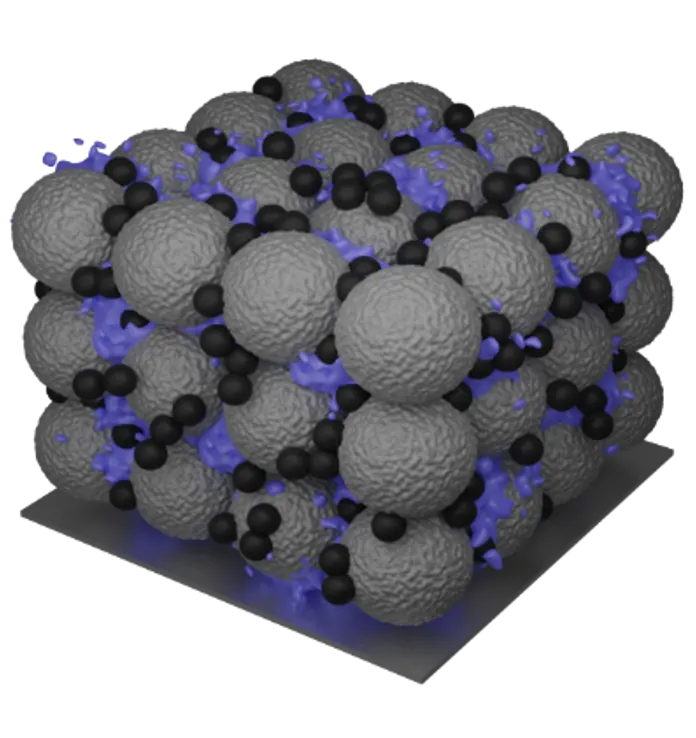
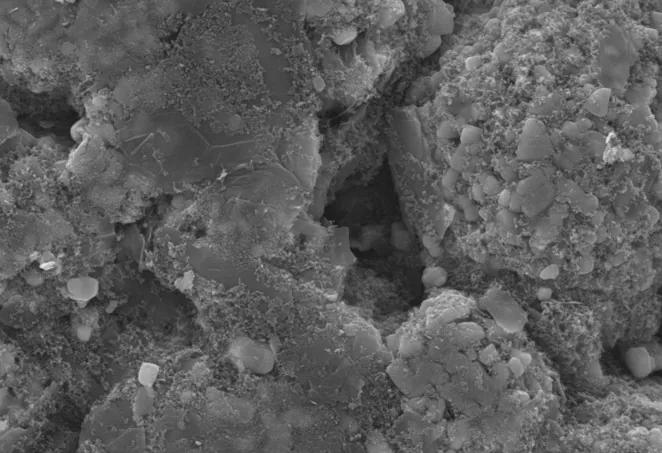
Conventional Li-ion batteries rely on legacy binders. These binders are insulators, creating bottlenecks for electron transport, increasing resistance, and limiting both power and energy density.
e.g., NCM, LFP, GRAPHITE, SI-C
Responsible for storage and release of energy.
e.g., PVDF
Glues the materials together and to the foil.
e.g., CARBON BLACK
Added specifically to improve electrical conductivity within the electrode.
e.g., NCM, LFP, GRAPHITE, SI-C
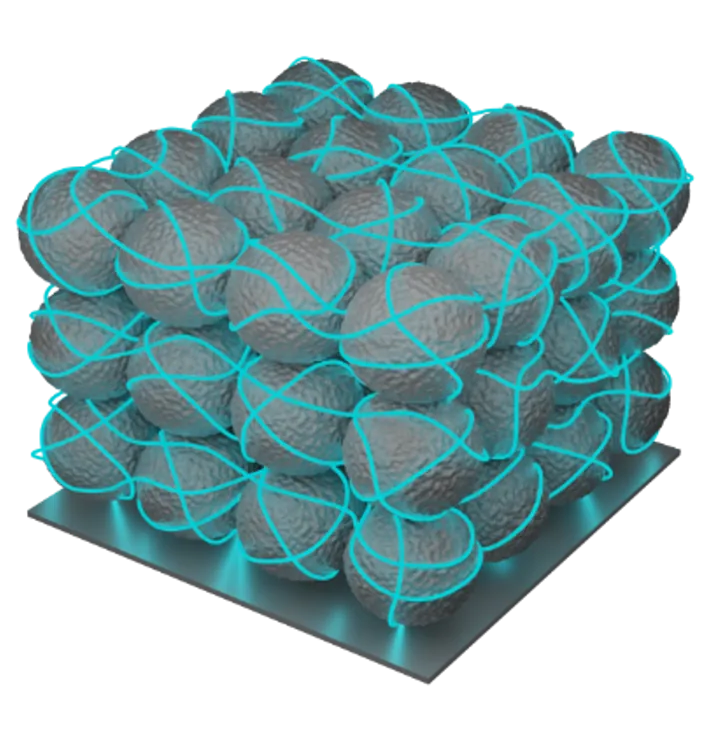
Higher active material mass loading and energy density achieved with NXSP.
COMPOSITE BINDING MESH
An unparalleled suite of cost, performance, and sustainability benefits.
Generates significant cell cost savings by enabling thicker electrodes with less inactive material and lower capex.
Drastically improves volumetric and gravimetric energy density by enabling a thicker active material layer and higher conductivity.
Enables fast charging and high-power capabilities without sacrificing energy density.
Extends useful cycle life by providing superior mechanical flexibility and adhesion over reference electrodes.
A PFAS-free structure that simplifies end-of-life recyclability and significantly reduces manufacturing energy consumption.
Seamlessly integrates with any cathode (NCM, NCA, NCMA, LFP, and more) or anode material, including high-capacity silicon.
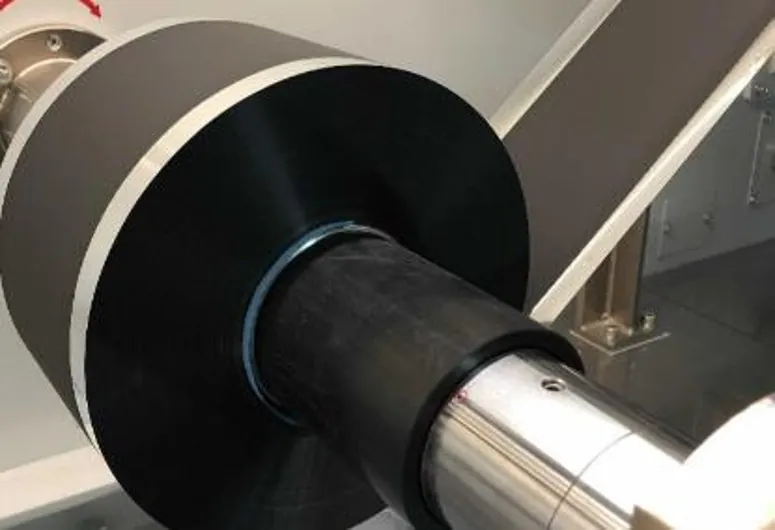
Adopting Neocarbonix does not require billions in capital expenditure. It is a true drop-in solution designed specifically for existing roll-to-roll gigafactory infrastructure.
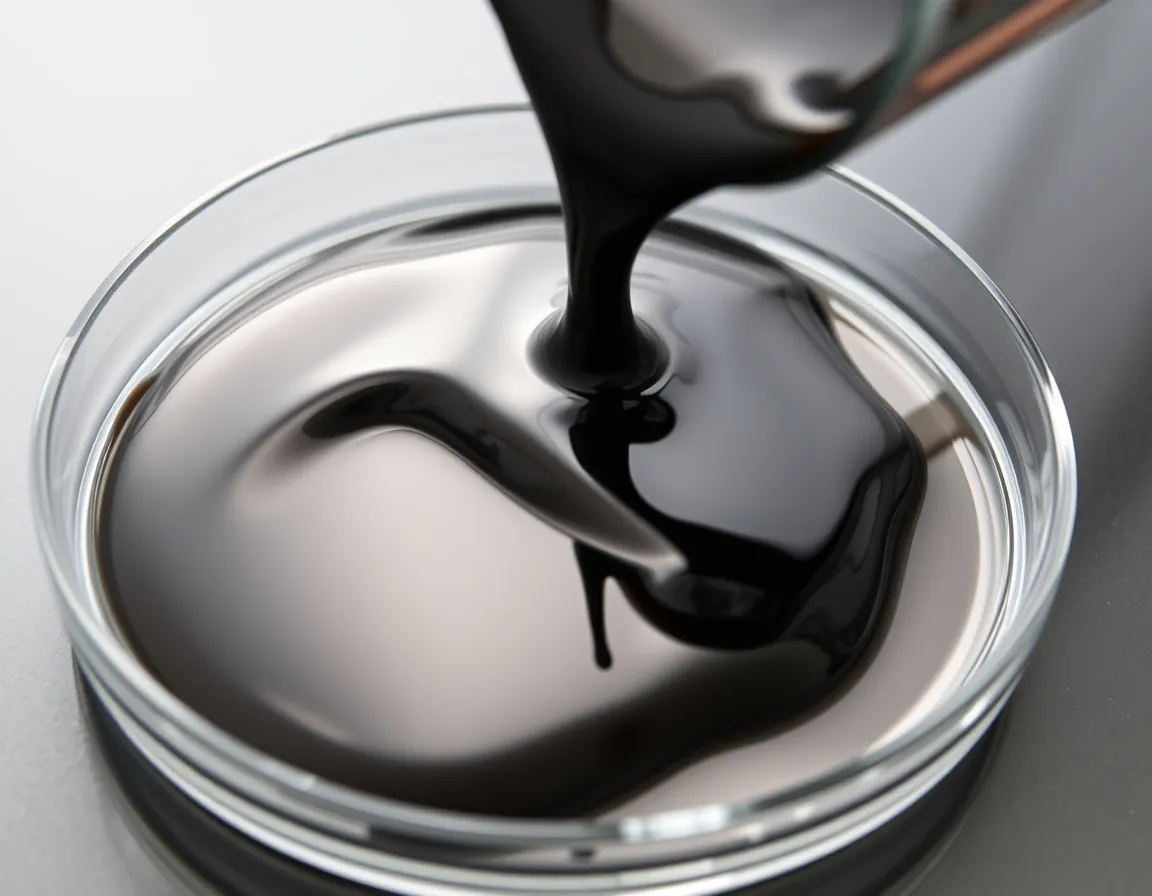
A drop-in solution replacing conventional binders and additives with a carbon binding structure. Mimics conventional rheology.
Add NXSP directly to conventional mixers alongside active materials.
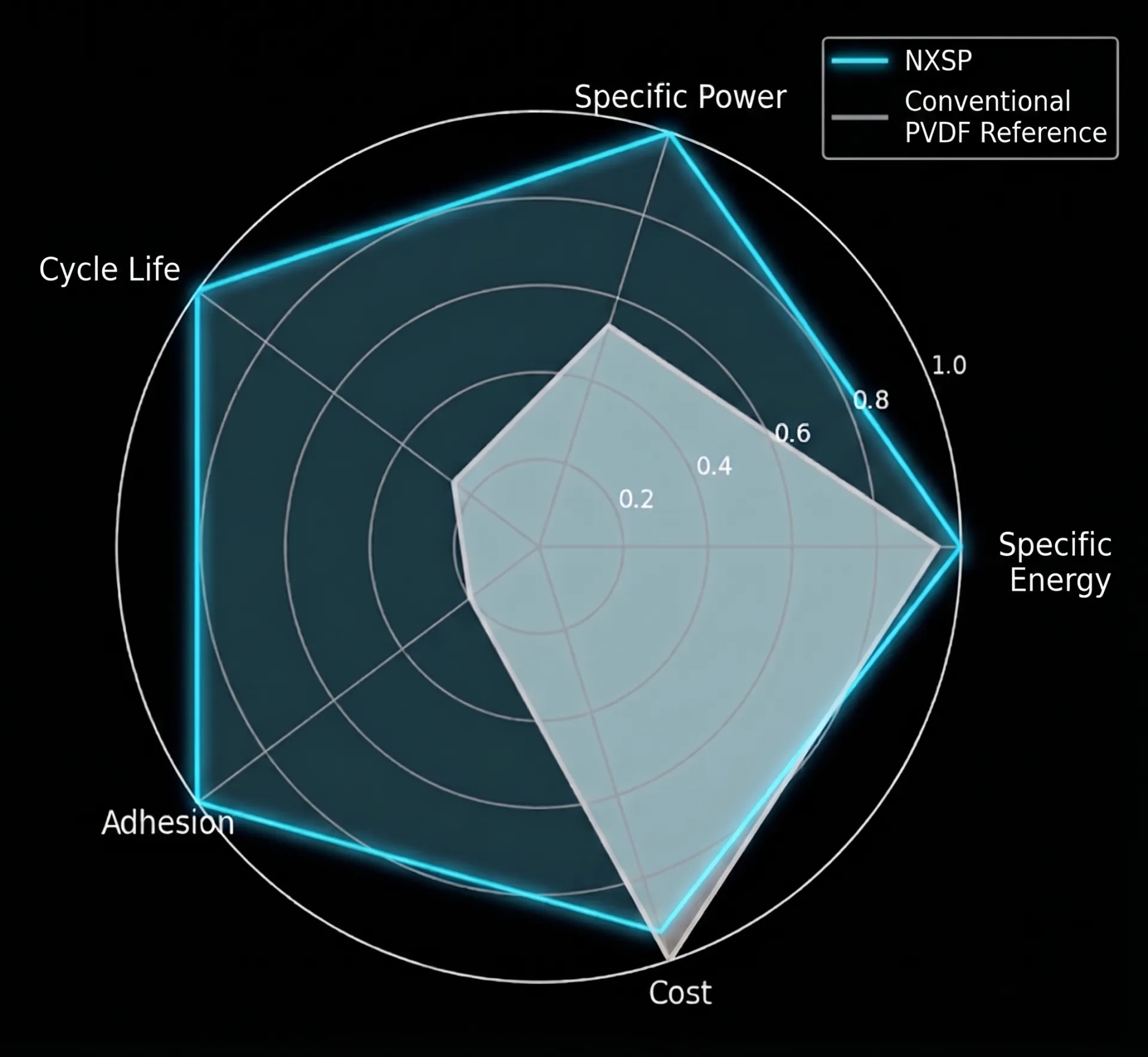
When applied to advanced NCA cathodes, Neocarbonix fundamentally shifts the performance envelope for applications requiring sustained high power, outperforming conventional baselines across every key metric.
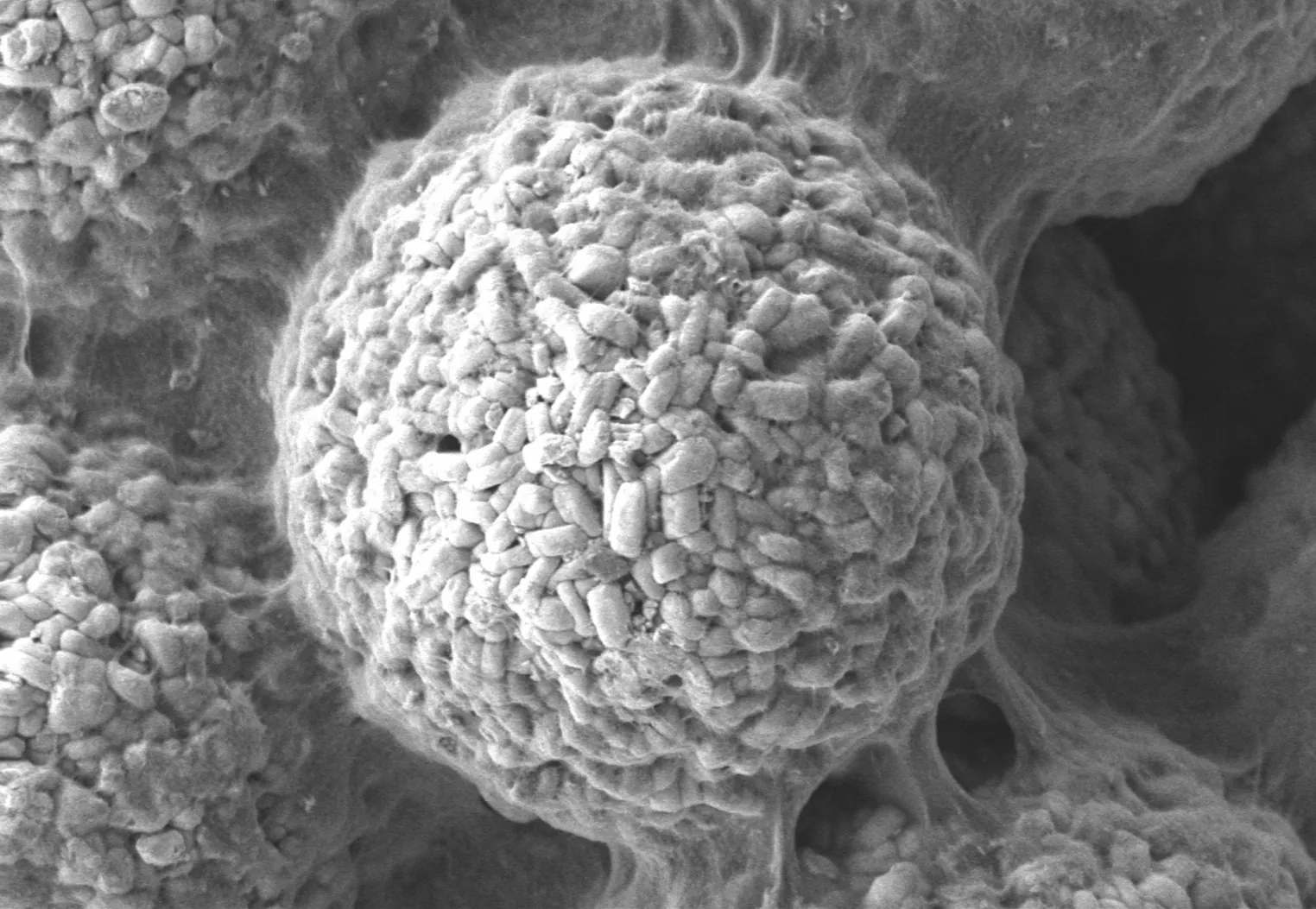
By replacing conventional binders and additives, NXSP achieves a remarkably high 99% Active Material (CAM) content compared to the 96% industry standard. The 3D carbon matrix also provides excellent mechanical flexibility and demonstrates 4x superior adhesion over reference electrodes, even at high mass loadings.
Higher CAM content and higher mass loading translate directly to higher energy density. More importantly, the continuous carbon network drastically lowers internal electrode resistance.
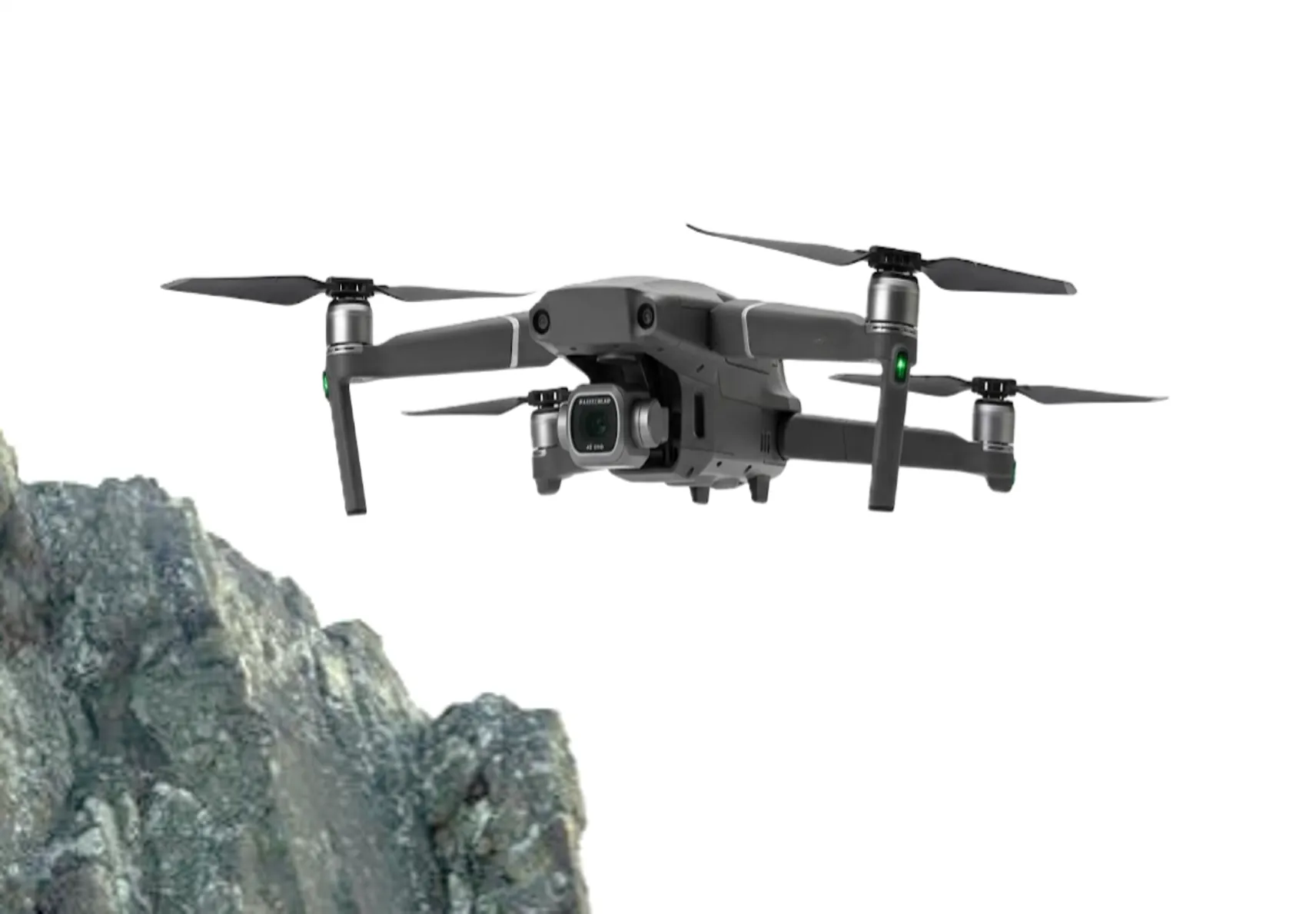
In high-discharge scenarios critical for sustained flight, NXSP designs maintain capacity far better than conventional cells, delivering significantly more usable energy precisely when you need it most.
Testing shows NXSP systematically outperforms conventional baselines in Specific Energy, Specific Power, Cycle Life, Adhesion, and overall Cost-effectiveness.